ADMIS News
COFFEE
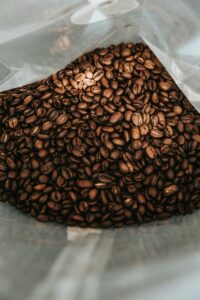
March Coffee extended this week’s selloff early Wednesday, falling to its lowest level since December 22, the day it put in a three-month low. There are still no official data for the 2026/27 Brazilian coffee crop, which will be harvested starting in May, but growing conditions have improved considerably over the past two months, with timely and what appears to be adequate rains. Hedgepoint Global Markets estimates Brazil’s coffee at between 71 million and 74.4 million bags versus 64.7 million projected for the 2025/26 cycle. World Weather Inc. says frequent rain will fall through Saturday in Brazilian growing areas, from portions of Sul de Minas, Rio de Janeiro, Zona da Mata and Espirito Santo to Cerrado Mineiro and some Bahia locations. The precipitation will be moderate to heavy at times, and there is a slight chance for flooding in Zona de Mata where some greater rainfall is possible. Cecafé board chairman Marcos Matos said international demand is expected to remain firm in 2026, with Asia a major frontier of opportunities for Brazilian coffee. Brazilian coffee shipments to the US fell 33.9% in 2025 to 5.38 million bags. Importers that canceled purchase contracts last year because of tariffs have resumed business, but they expect the US market will become relevant again in the next crop year.
COCOA
March Cocoa gapped lower again early Wednesday and traded to new contract lows. Reports of excess supply at Ivory Coast ports have added to the pressure put on the market late last week in response to disappointing fourth-quarter grind data in Europe and Asia. Growers are reportedly eager to sell and take advantage of the high farmgate price established by Ivory Coast’s regulator, the CCC, this year. The high price has meant that cocoa that would have ordinarily been diverted to Liberia and Ghana has stayed in the country and that some production from those countries has been transported to Ivory Coast. Ivory Coast’s Coffee and Cocoa Council said it will buy 100,000 metric tons of surplus cocoa in the coming days and that it will step up border security to limit the smuggling. The are also reports of congestion at the ports with trucks unable to unload cocoa beans. Reuters reports that in the meantime, some of Ghana’s farmers have not been paid, putting investment in the next harvest at risk as international traders have refused to pay the upfront sums their state regulator, COCOBOD has sought under a new model for purchasing cocoa beans. This has left the country with a big stockpile, three sources familiar with the situation told Reuters. Industry newsletter CocoaRadar said Ivorian farmer groups are accusing multi-national chocolate processors of deliberately slowing their cocoa purchases in a bid to force a reduction in the farmgate price. One consolation for the bulls is that processors may need to step up their buying pretty soon. Judy Ganes, president of J. Ganes Consulting, told Reuters that processors are “getting close to scraping the bottom of the barrel” and may soon need to boost grindings to replenish their supplies.
COTTON
March Cotton found support early Wednesday at the 50-day moving average, following an outside day on Tuesday that saw the market give up its early gains. The collapse in the dollar on Tuesday off the Greenland issue may have supported cotton on ideas that a week dollar makes US cotton more competitive on the global market, but a drop in equity prices added to a risk-off mood. Traders are hoping low prices will attract buyers, but consistent export sales have been elusive. There have been three occasions since the marketing year began in August that weekly sales have come in above 300,000 bales, and the market has greeted those events positively only to drift lower as sales backed off in ensuing weeks. Cumulative sales for 2025/26 relative to the USDA forecast remain behind the average pace. The trade may also be awaiting a US Supreme Court decision on tariffs.
SUGAR
March Sugar was higher early Wednesday but inside the range of the past three session. The Unica report on Brazilian Center-South sugar production for the second half of December will be released today, and that may provide direction later in the session. The last report, for the first half of December, put sugar production at 254,000 tons, down from 356,000 a year ago and 724,000 for the second half of November. Cumulative production had reached 40.158 million tons versus 39.815 million at this point last year, +0.86%. Sugar’s share of the crush was 31.5% versus 35.7% for the same period last year.
Interested in more futures markets? Explore our Market Dashboards here.
