ADMIS News
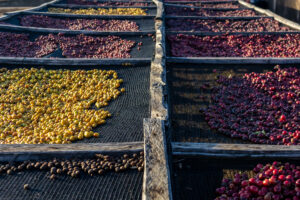
COFFEE
December Coffee was slightly lower early Friday as the market continued to give back the quick gains it made off the Colombian earthquake, which interrupted exports out of the key coffee port of Buenaventura. News that exports have begun to resume pressured the market on Thursday. Global, near term supplies remain tight, but harvest conditions in Brazil continue to look good after the interruptions from the heavy rains in June. World Weather Inc. said mostly dry and warm weather is expected in Brazilian growing areas over the next week to 10 days. A few showers will impact a part of the production region, but not enough to counter evaporation, which is normal for this time of year. In the meantime ICE certified arabica stocks continue to dwindle, falling another 3,855 bags on Thursday to 236,430, their lowest since December 11, 2023. The US CPC giving a greater than 90% chance for a very strong El Nino event during the northern hemisphere fall and winter is a bullish factor, as that could bring drier than normal conditions to equatorial regains that could negatively affect the flowering and cherry-setting stages for the 2027 crops.
COTTON
December Cotton was higher early Friday, as the market seemed to be getting over the shock of higher than expected production from Wednesday’s USDA report. That surprise came from a sharp increase in US plantings. Planted area was increased by 619,000 acres from the June Acreage report, including a 503,000-acre increase for Texas. On the bullish side, World Weather Inc. says the dryland cotton from the Delta into Alabama may see further declines in yields as the soil continues to dry out during the next two weeks. Soil moisture elsewhere in the Southeast should be great enough to support most cotton development. Dryland crops in West Texas have been deteriorating recently and the trend will continue for the next ten days. The US CPC is giving a greater than 90% chance of a very strong El Nino event during the upcoming northern hemisphere fall and winter, which may bring drier conditions to southern hemisphere growing areas. China’s agriculture ministry says high temperatures and low rainfall have reduced average bolls per cotton plant in Xinjiang, which may lead to declines in output in some areas. They also raised their estimate for 2025/26 cotton imports by 50,000 tons to 1.55 million (7.1 million US bales). World Weather Inc. says Xinjiang, China weather will be hot at times during the next week which will keep a strong demand for irrigation. Crop conditions are favorable, though some deterioration may occur with the hotter weather over the next ten days. Crude oil steady this morning but the dollar is weaker, which could support US exports.
COCOA
December Cocoa continued its choppy, sideway pattern early Friday as it weighed strong West African mid-crop production against the threat that El Nino-induced dry conditions later this year would hurt the 2026/27 crops. The US CPC on Thursday gave a greater than 90% chance of a very strong El Nino during the northern hemisphere fall and winter. They also said there was a 69% chance that it would exceed the strength of any previous El Nino events going back to 1950. Scattered showers in West Africa this week may have eased some concerns about recent dry conditions. Dryness is not unusual this time of year, but farmers will be anxious for wet weather to return later this month. Conditions conducive to rainfall tend to shift southward into key growing areas in late August and September, but El Nino could interrupt this pattern and bring drier than usual conditions into October. The last El Nino event brought extremely dry conditions during the winter months, which may have intensified the drying Harmattan winds that typically come down from the Sahara at that time of year.
SUGAR
October Sugar was lower early Friday, following a recovery move on Thursday. The market reached a one-year high on Wednesday and then sold off, and it has been chopping around since. At its high it had rallied 2.74 cents (19%) inside of two weeks, putting it in an overbought status. We are seeing more and more reports of oversupply in Brazil, with comments that too much raw sugar is available and that the demand does not justify the prices. Traders are also lamenting the reduced frequency of UNICA updates, which have been reduced to one per month from two per month previously. The last update showed Brazil cumulative Center-South sugar production for the marketing year (which began April 1) was -12.8% from a year ago as of July 1, and production for the second half of June was -42.7%. The dropoff was attributed to heavy rains during the period that interrupted harvest and crush activity. Conditions have dried down considerably since, which should bode well for production to bounce back. The US CPC has indicated that El Niño is strengthening, giving it a greater than 90% chance being “very strong” during the upcoming northern hemisphere fall and winter. El Nino can bring dry conditions to key cane growing areas around the world. The CPC also said that here is a 69% chance this event being the strongest on record, which dates back to 1950. World Weather Inc. says Western Europe could see some gradual relief from hot, dry, weather over the next couple of weeks, with the last 10 days of this month most promising, but Southeastern Europe, including Ukraine and Russia, will continue to miss out. We suspect the rains may be too late to save the beet crops in Western Europe. Cane growing areas in Thailand and Indonesia are expected to remain too dry. Central and eastern parts of India should see rain, but the west and south could see some net drying. The India Meteorological Department said the nation has received 491.8 millimeters of rain so far for the monsoon season which through September, down from the normal 561.9 millimeters. Rainfall in the eastern and northeastern region was 27% below normal, while the central region has seen normal rainfall.
Interested in more futures markets? Explore our Market Dashboards here.
